Supporting climate-resilient agriculture through carbon markets

Sustainable agriculture is central to climate stabilization, food security, and resilient rural livelihoods – yet it remains largely excluded from climate finance.

VCMI works with global partners to develop the tools, programs, specialist knowledge, and market infrastructure necessary to support emerging markets and developing economies (EMDEs) to access finance for climate-resilient agriculture through carbon markets.

In 2022, only 20 million of 1.7 billion carbon credits came from agricultural activities

This represents just over 1% of the global total. Agriculture currently contributes roughly one-third of global greenhouse gas emissions, but only receives 4-7% of total global finance.

This gap is the result of the agricultural sector’s exclusion from mainstream climate finance, and creates a considerable opportunity for high-integrity carbon markets to fill it. However, without sustained support, high-integrity carbon markets risk missing a key opportunity to help close the finance gap for sustainable agriculture.

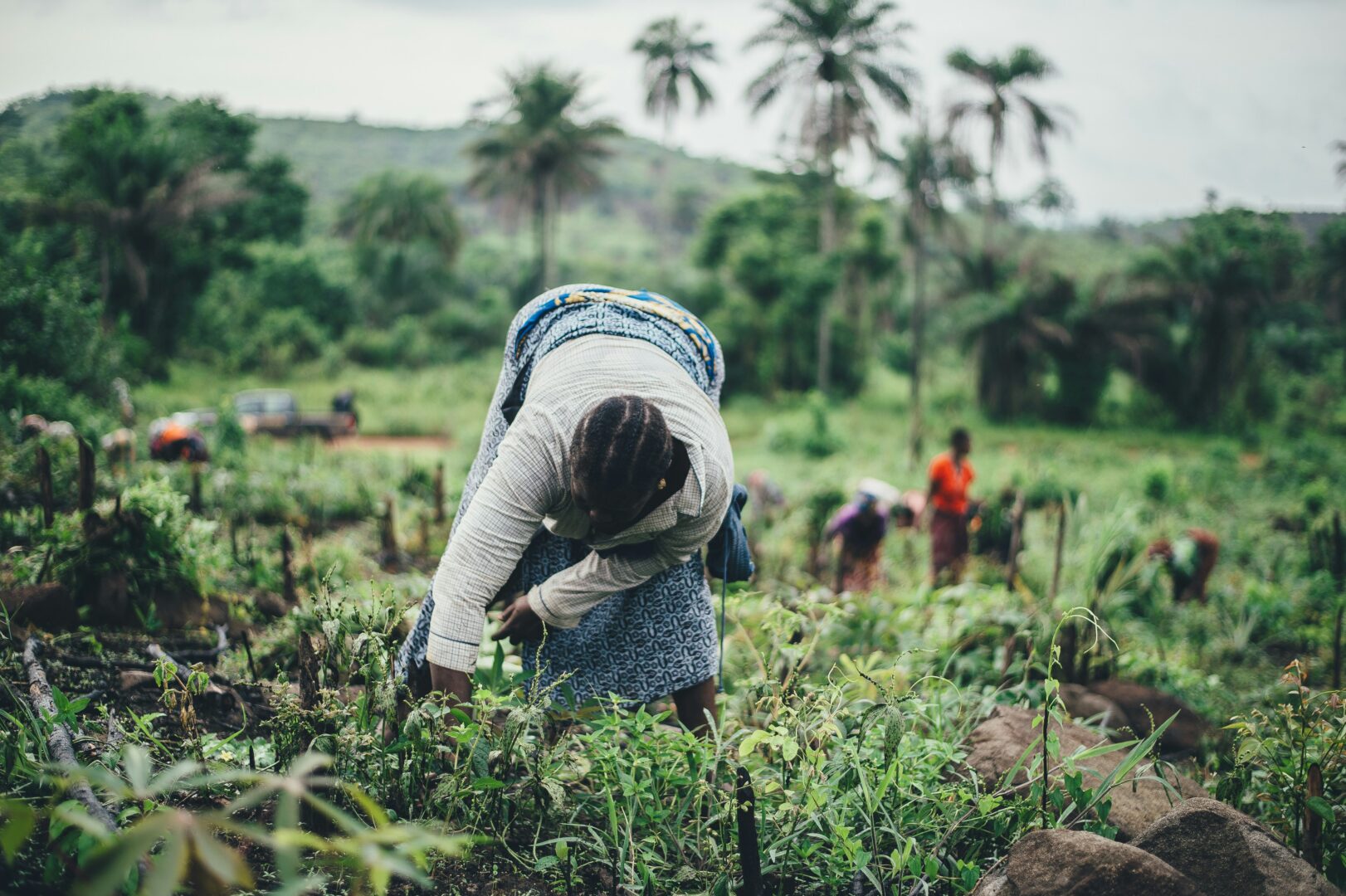
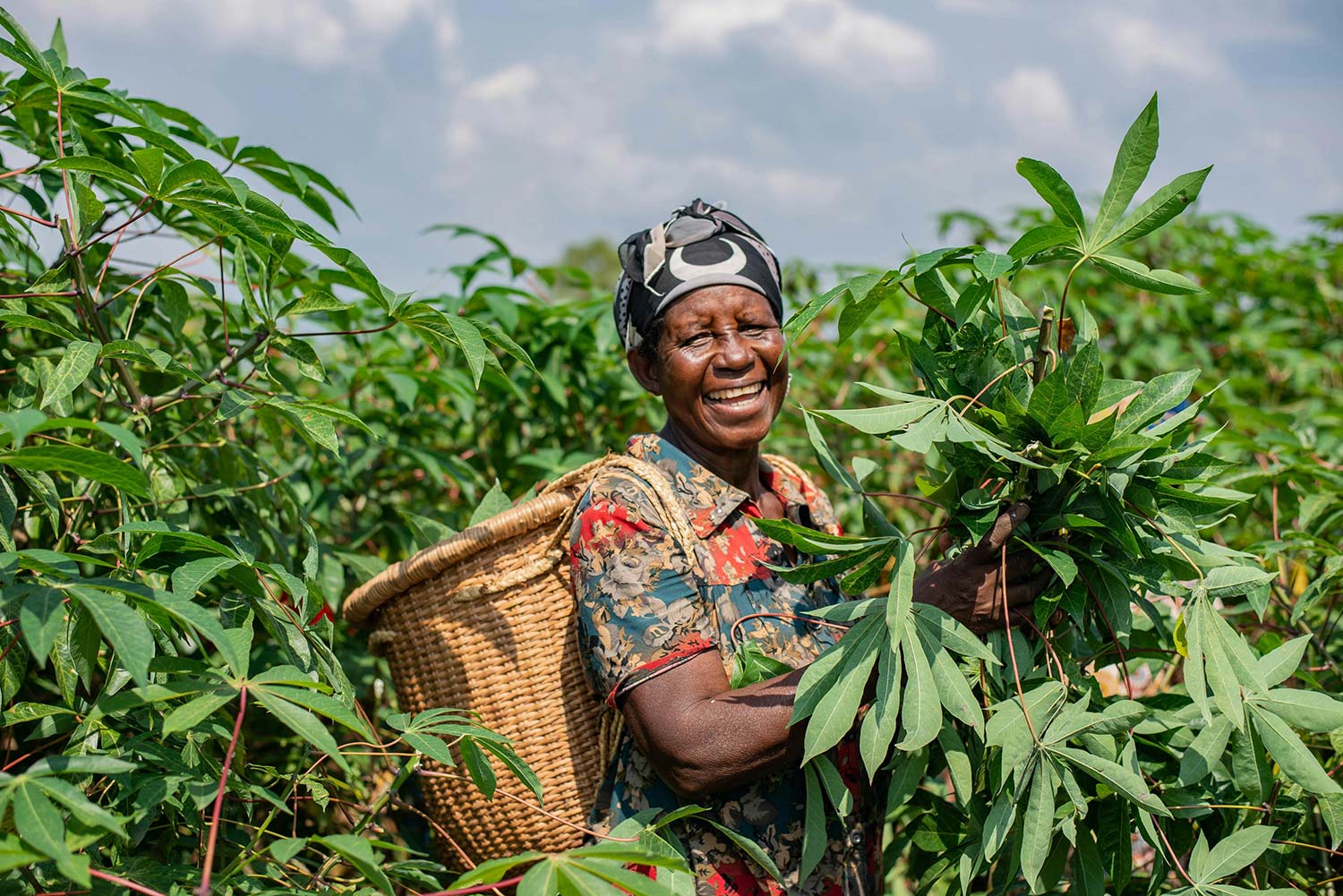
Practices like improved pasture management and agroforestry cut greenhouse gas emissions, protect biodiversity, and support thriving rural communities, and can be supported through carbon market finance.

VCMI has supported the development of resources and tools to facilitate EMDE engagement with agricultural carbon markets.
Partnership for Agricultural Carbon

The Partnership for Agricultural Carbon (PAC) is operationalized through VCMI’s Access Strategies Program. PAC is an expert-led, international initiative dedicated exclusively to enabling governments and farmers to harness carbon credit markets for sustainable agriculture.

PAC accelerates investment in agricultural carbon markets but supporting governments to deliver clear, enabling policies, robust MRV systems, and effective local impact plans. It builds carbon literacy amongst community advisors, and aims to uplift participation by farmers in EMDEs. PAC’s work in Latin America and the Caribbean has already led to strong engagement across the region. Explore the impact of PAC in the graphic below.

PAC Impact

34 +

Countries engaged across Latin America and the Caribbean

600 +

Policymakers and Stakeholders trained

1.5 K

Beneficiaries reached through PAC Initiatives

Building the human capacity to scale agricultural climate finance.

PAC and VCMI’s AgCarbon Academy brings together learning pathways for policymakers, agricultural professionals, trainers and delivery partners working to turn high-integrity carbon markets and climate finance into practical agricultural action.

From policy readiness to farmer-level delivery, these resources are delivering the human and institutional infrastructure needed to move from ambition to implementation.

You can access VCMI’s growing library of agricultural carbon credit markets resources below.

Designing Policy Frameworks for Carbon Credit Markets in Agriculture

This training program aims to support policymakers’ understanding of agricultural carbon markets and how they can support national climate commitments and policy priorities. It guides policymakers to strengthen regulatory and institutional readiness, integrate integrity and social safeguards, and develop practical pathways for mobilising climate finance. The course is designed for officials from Ministries of Agriculture, including advisors and regulators linked to climate finance policies.

Access the course here

Training for Rural Advisors

This Agricultural Carbon Rapid Acceleration Program (AgRAP), is a scalable training and certification initiative that helps smallholder farmers and institutions participate in credible agricultural carbon markets.

The course closes capacity gaps that otherwise block rural actors from accessing climate finance, ensuring smallholders are included—not left behind—in the shift toward climate-resilient agriculture. It aims to build the technical, policy, and practical capacity of trusted advisors already providing professional services to regional communities, ensuring that rural institutions and smallholders are ready to meet carbon market standards, while ensuring that the climate transition delivers local jobs, income diversification, and community resilience.

Click to enroll in the course here

Enhancing Biodiversity Impact Through Carbon Markets in Latin America and the Caribbean

A report that outlines how high-integrity carbon markets can deliver measurable biodiversity and climate outcomes in Latin America and the Caribbean’s agricultural sector. It provides recommendations for scaling up these markets, including best practices for monitoring, reporting, and verification (MRV), and offers insights into policy frameworks that facilitate biodiversity focused projects.

View the report here

Scaled-Up Crediting Approaches for High Integrity Agricultural Carbon Markets

A policy research paper that explores emerging approaches on unlocking finance at scale aligned with Article 6 of the Paris Agreement through national agricultural carbon markets. The paper consolidates lessons from pilots, standards, and country experiences and proposes practical design choices to address core challenges like additionality, permanence, leakage, and MRV.

Access the paper here

Investment Readiness Index (IRI) Country Report

The Investment Readiness Index is PAC’s flagship tool for assessing the enabling environment for high-integrity, inclusive agricultural carbon markets across countries. It provides a structured, evidence-based methodology for identifying the policy, institutional, and financial gaps that constrain investment in climate-resilient agriculture. This Policy Brief series applies the IRI to seven countries in Latin America, offering short, policy-oriented profiles that highlight each country’s strengths and challenges, along with actionable pathways to enhance readiness for carbon finance.

Access the tool, as well as case studies for Brazil, Colombia, Costa Rica, Mexico, Panama, Peru and Uruguay.

Tool and case studies

Carbon Market Opportunities for Livestock and Agroforestry in Latin America and the Caribbean

This report examines how carbon credit markets can mobilize finance for three of Latin America’s most important agricultural sub-sectors: livestock, coffee and cocoa. The report assesses the mitigation potential of improved grazing management, silvopastoral systems and agroforestry, and identifies the barriers smallholders face in accessing carbon finance. It sets out practical measures for governments and project developers to make sure carbon projects can scale with integrity.

View the report here

Policy Brief: Agricultural and Blue Carbon Market Opportunities in Latin America and the Caribbean

Drafted for senior government officials in advance of COP28, this publication provided the evidence base for the ministerial mandate under which IICA and VCMI initially established the Partnership for Agricultural Carbon (PAC). Agriculture generates around 2.4 billion tonnes of CO2e a year across Latin America and the Caribbean. This report shows how carbon credit markets could channel private finance into livestock, rice, agroforestry and blue carbon ecosystems. It also outlines how agriculture ministries can build an enabling environment through clear regulation, secure land tenure, monitoring systems and equitable benefit-sharing.

View the report here

Explore more

Access Strategies Program

Learn more

Carbon Markets Access Toolkit

Learn more